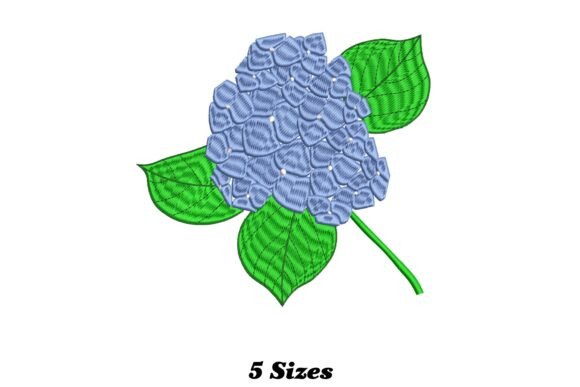
Hydrangea Flower Embroidery Design
The Hydrangea Flower Embroidery Design is a versatile and charming addition to any craft fair product lineup. With its soft, flowing petals and delicate detailing, it brings a touch of whimsy and elegance that can elevate a range of handmade products. Whether you're an Etsy seller or a boutique maker, this design has the potential to catch the eye of customers looking for something unique and beautiful.
First Impressions: A Soft, Whimsical Touch
From the first glance, the Hydrangea Flower Embroidery Design feels gentle and inviting. It doesn't scream for attention but instead offers a subtle charm that can work well in both rustic and modern settings. The design's size and structure make it ideal for adding a soft, decorative element to fabrics without overwhelming them. This makes it a great choice for those looking to create a cohesive brand aesthetic with a focus on natural, floral motifs.
Where It Shines: Tote Bags, Aprons, and More
On a tote bag design, the Hydrangea Flower Embroidery Design stands out as a focal point that adds visual interest without being too busy. It’s perfect for creating a statement piece that customers will want to carry around. On apron embroidery, it provides a refined touch that complements the practicality of the item. For tea towel embroidery, it brings a homey, farmhouse feel that appeals to buyers looking for cozy, handcrafted items.
The design also works well as an embroidered patch, making it easy to add to caps, jackets, or small pouches. Its size allows it to be used as a small accent or a larger focal design, depending on the project. This flexibility makes it a valuable asset for craft fair sellers who want to offer a variety of products using the same design.
Photography and Online Appeal
When it comes to photographing the Hydrangea Flower Embroidery Design for online listings, it holds up well. The design’s clear lines and soft curves translate nicely into digital formats, making it suitable for Etsy seller listings and printable mockups. Its visual appeal is enhanced when paired with neutral or pastel-colored fabrics, which allow the design to stand out without competing with the background.
For commercial embroidery projects, the design maintains its integrity when scaled appropriately. However, it’s important to ensure that the stitch density is consistent and that the design remains legible at smaller sizes. This is especially important for small shop product creators who may need to produce multiple units quickly.
Practical Production Considerations
One of the key factors in determining the success of the Hydrangea Flower Embroidery Design is how easy it is to produce. The design should be straightforward to understand at a glance, with clear outlines and minimal complex elements. This makes it ideal for batch production, allowing craft fair sellers to create multiple items efficiently.
However, there are some considerations to keep in mind. If the design includes dense stitch areas or tiny details, it may require additional stabilizer to prevent puckering, especially on textured towels or thick fabrics. It’s also important to test the design on different fabric textures to ensure that it looks good on dark or light backgrounds.
Careful-Use Notes: What to Watch For
While the Hydrangea Flower Embroidery Design is generally user-friendly, there are a few things to note. Tiny details may not show up clearly on smaller items or when using certain thread colors. For curved cap surfaces, the design may need slight adjustments to fit properly. Additionally, if the design is too small, it could lose clarity, so it’s best to test it at various sizes before mass production.
It’s also crucial to confirm the commercial licensing terms before selling finished products. As an embroidery designer, ensuring that your design assets are properly licensed helps avoid legal issues and builds trust with customers.
Impact on Visual Appeal and Customer Engagement
The Hydrangea Flower Embroidery Design has the potential to significantly boost the visual appeal of your craft fair booth. Its soft, elegant look draws in customers who appreciate handmade quality and thoughtful design. When displayed on tote bags, pillow covers, or market bags, it creates a cohesive and attractive display that encourages customers to engage with your products.
As a handmade product, it reinforces the value of your work by offering a unique, artisanal touch. For brand consistency, it serves as a reliable design that can be used across multiple product types, helping to establish a recognizable identity in the marketplace.
Embroidery Designer Tips for Success
To get the most out of the Hydrangea Flower Embroidery Design, start by testing it on scrap fabric. This allows you to see how the stitches look and whether they align with your expectations. Check the thread colors against the fabric to ensure good contrast, and review the spacing between elements to avoid overcrowding.
Confirm the hoop size needed for your machine, and inspect the stitch density to make sure it’s appropriate for the fabric you’re using. Using the right stabilizer is essential, especially for thicker materials or curved surfaces. Creating at least one real mockup will help you visualize how the design will look on actual products.
Finally, compare fabric colors and consider how the design will appear on different backgrounds. This step is crucial for ensuring that your finished product meets your standards and appeals to your target audience.
Conclusion: A Versatile Design for Creative Entrepreneurs
The Hydrangea Flower Embroidery Design is a strong choice for creative entrepreneurs looking to expand their product offerings. Its soft, whimsical style makes it appealing for a wide range of handmade items, from tote bags to embroidered patches. With careful consideration of production details, it can become a reliable and profitable addition to any craft fair or online store.
Whether you're an experienced embroidery business owner or just starting out, this design offers a balance of beauty and practicality that can help you stand out in a competitive market. By leveraging its strengths and addressing its limitations, you can create a line of products that resonates with customers and supports your creative vision.