Wildflowers Embroidery Review
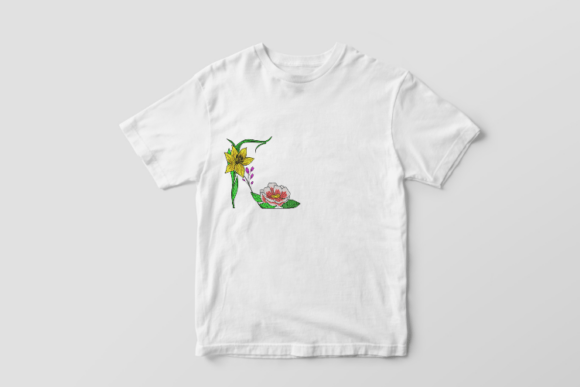
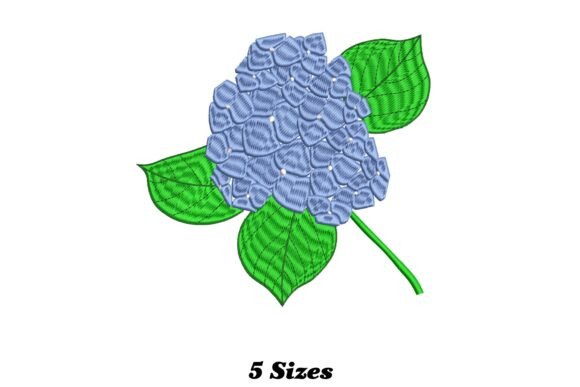
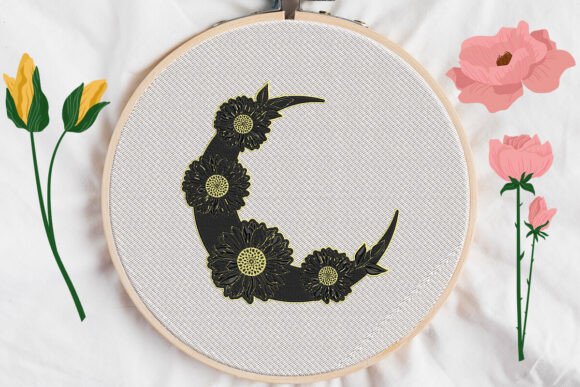
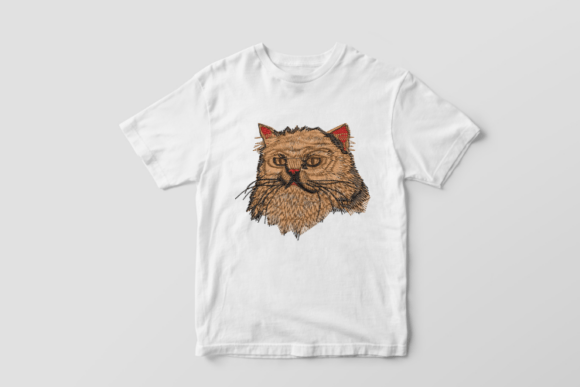
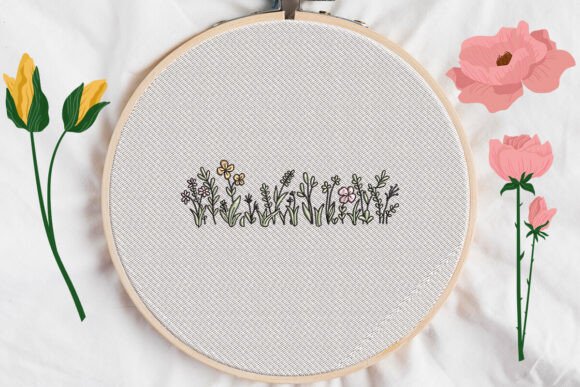
As an experienced embroidery designer, I’ve seen countless machine embroidery designs come and go. But when it comes to small business merch, branded patches, and custom apparel, the right design can make all the difference. The Wildflowers Embroidery design is one that stands out for its versatility and visual appeal. Perfect on tote bags, t-shirts, cushions, sweaters, and so much more, this machine embroidery design offers a fresh, natural aesthetic that can elevate any brand’s look.
The First Impression: A Design That Feels Natural and Versatile
From the moment I laid eyes on Wildflowers Embroidery, I was struck by its simplicity and charm. It feels like a design that could easily fit into a variety of brand identities—whether you’re running a small café, boutique, or handmade shop. The Single Flowers theme gives it a classic yet modern feel, making it suitable for both rustic and premium applications.
This embroidery file has a soft, handcrafted vibe that aligns well with handmade product branding. It doesn’t scream boldness, but it carries a quiet confidence that works well on apron embroidery, cap embroidery, and even tote bag design. Its gentle curves and flowing lines suggest a connection to nature, which is perfect for eco-friendly brands, florists, or pet-related businesses.
Real Business Use: From Patches to Apparel and Beyond
When it comes to real-world use, Wildflowers Embroidery proves to be a solid choice for small business owners looking to create custom apparel and small business merch. It works especially well as an embroidered patch for staff uniforms, work shirts, or even as a chest logo accent on caps and jackets.
For event merch or customer gifts, this design adds a touch of elegance without being overwhelming. It also pairs nicely with other design assets in a brand’s collection, helping maintain visual consistency across different products. Whether it’s on a product packaging accent or a printable mockup, the Wildflowers design holds up well.
One of the biggest advantages of this digital embroidery file is its adaptability. It can be used on a range of fabrics, from cotton t-shirts to denim jackets, and even on heavier materials like canvas tote bags. This makes it ideal for commercial embroidery projects where versatility is key.
Where to Be Careful: Design Limitations and Practical Considerations
While Wildflowers Embroidery is a strong design, there are a few areas where caution is needed. For instance, on small patch sizes or cap fronts, the details might get lost. If you're planning to use it on something like a tiny lettering application, you may need to simplify the design or choose a different version.
Stitch density is another factor to consider. If the design has intricate outlines or high detail, it may not work well on textured fabric or dark uniforms. In such cases, adjusting the thread colors or using a different stabilizer could help improve the final result.
It’s also important to test this embroidery file on the actual fabric you plan to use. Some stabilizer types work better than others, and the right choice can make a big difference in how the finished product looks and feels.
Impact on Brand Identity and Customer Engagement
Branding is all about consistency and recognition, and Wildflowers Embroidery can play a significant role in shaping a business’s identity. When used effectively, it helps build customer trust and brand recognition, especially when paired with other design elements.
For Etsy sellers or craft business assets, this design offers a professional yet approachable look that resonates with buyers who value handmade quality. It also enhances the visual appeal of product labels and apparel, adding a touch of sophistication that can increase perceived value.
Moreover, using this design on work shirts or staff uniforms can reinforce a company’s image as a creative, nature-inspired brand. It’s a subtle but powerful way to communicate your values through every embroidered detail.
Practical Designer Notes: Tips for Using Wildflowers Embroidery
As a designer, I always recommend starting with a few key steps before jumping into production. First, test it in black and white to see how the design translates on different fabrics. Then, check if it works at small patch size to ensure it remains recognizable.
Review the thread colors to make sure they contrast well with your chosen fabric. Inspect the spacing between elements to avoid overcrowding, and confirm the hoop size required for your machine. Always test on real fabric and use the appropriate stabilizer to prevent puckering or distortion.
Creating a printable mockup for client approval is also a smart move, especially for commercial embroidery projects. Compare it beside other design assets to ensure it fits within your brand’s overall style. And finally, confirm commercial licensing before using it for business purposes to avoid any legal issues.